The Jaguar E-Type is more than just a car; it's a symbol of British automotive history. But what is the most popular Jaguar E-Type model? Many enthusiasts and collectors have long debated this topic, considering the E-Type's unique blend of performance, style, and engineering. In this comprehensive guide, we aim to uncover the most sought-after E-Type model, exploring its historical significance, specifications, and enduring appeal. Whether you're a seasoned collector or a classic car enthusiast, understanding the E-Type's legacy can enhance your appreciation for this iconic vehicle.
Overview of the Jaguar E-Type
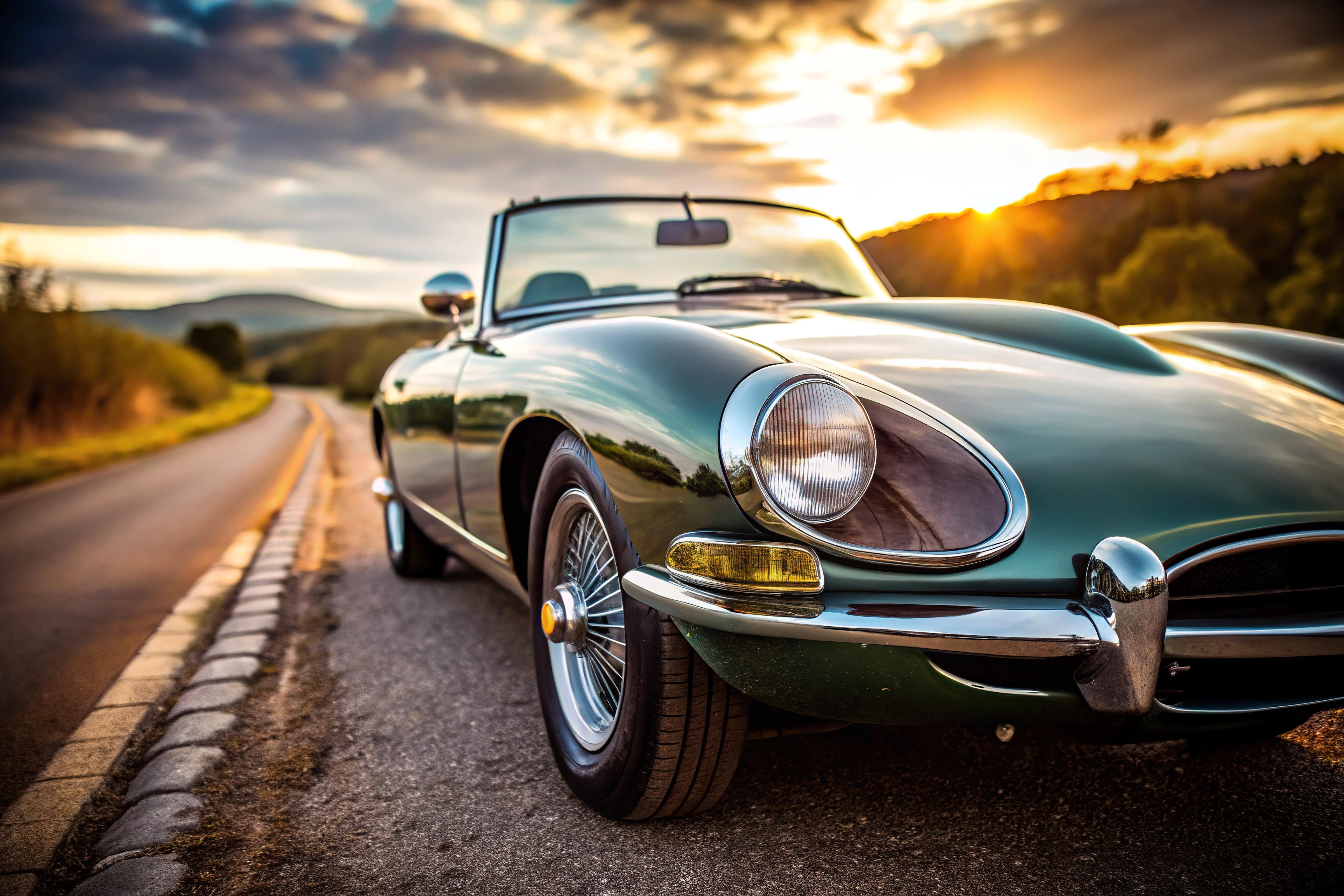
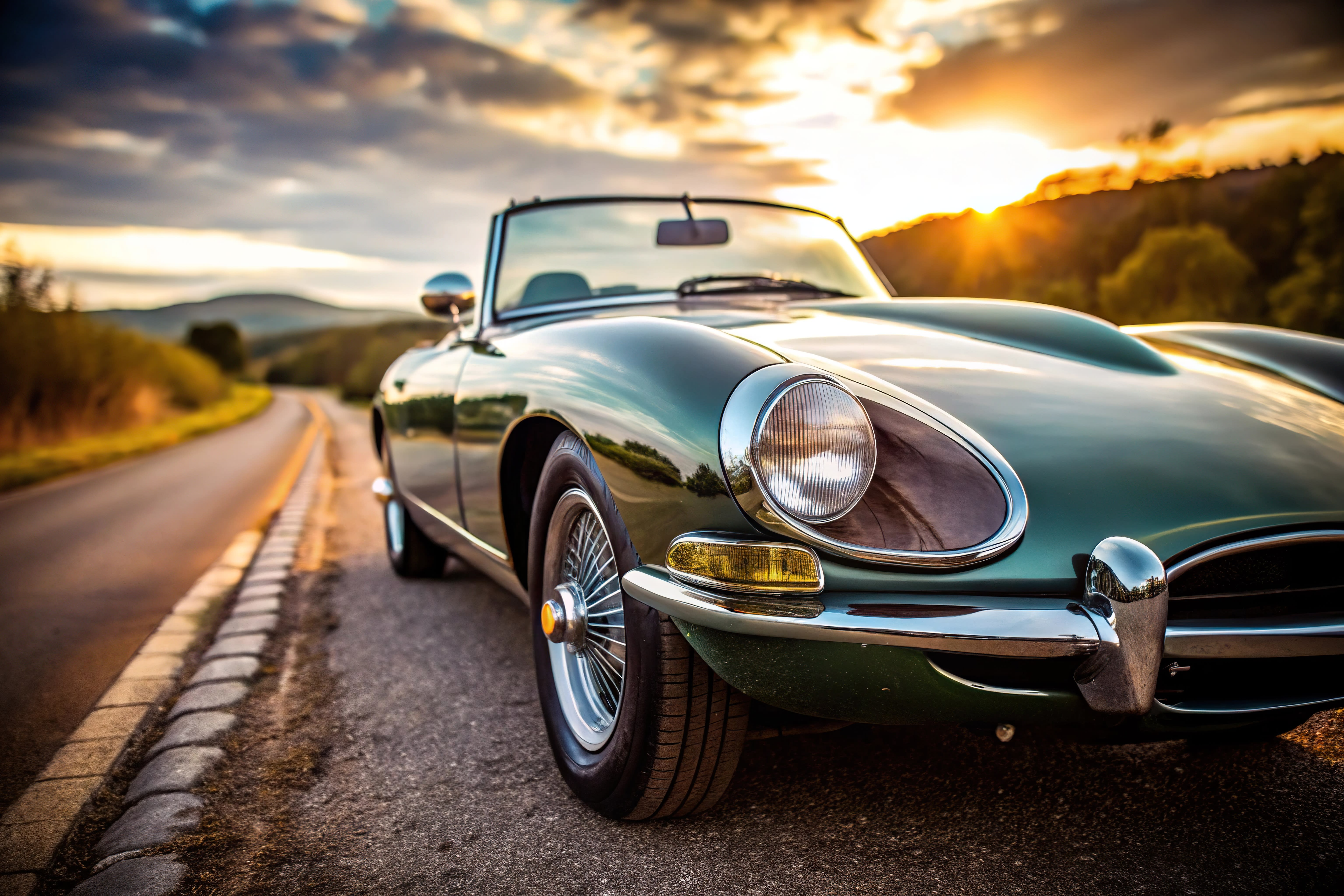
Introduced in 1961, the Jaguar E-Type quickly captured the public's imagination with its sleek design and impressive performance. Often hailed as one of the most beautiful cars ever made, the E-Type was available in various configurations, including a fixed head coupe and a convertible. Its appeal lay in its perfect marriage of form and function, making it a favourite among car enthusiasts and celebrities alike. The E-Type was powered by a robust inline-six engine, later upgraded to a V12 in the Series 3 models, providing a thrilling driving experience that was ahead of its time. The car was also surprisingly affordable for its performance capabilities, broadening its appeal beyond the elite. Key selling points of the E-Type include its timeless design, exhilarating performance, and historical significance as a groundbreaking sports car. For anyone looking to own a piece of automotive history, the Jaguar E-Type remains an attractive proposition.
Engine Options and Performance
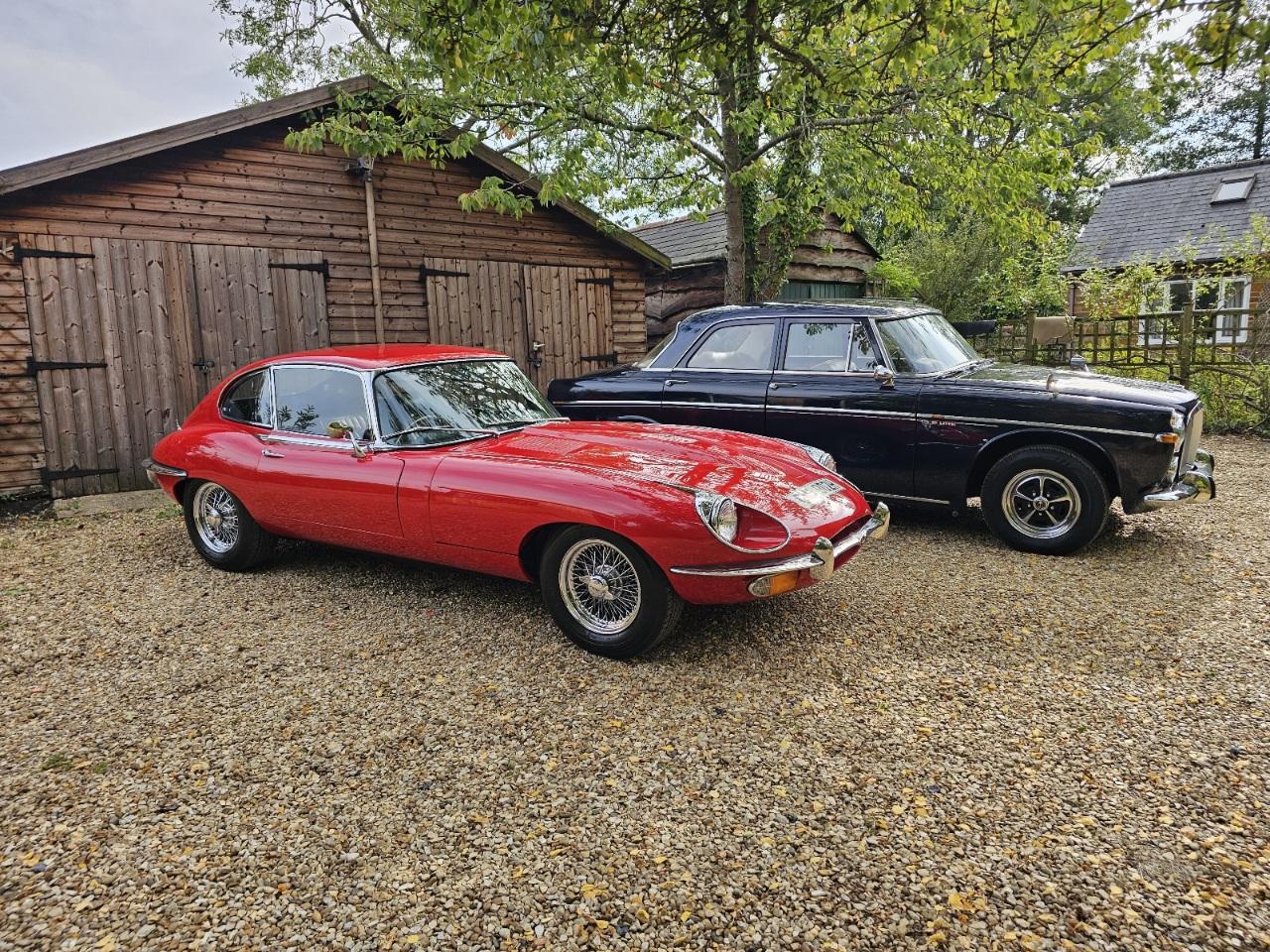
The Jaguar E-Type was initially launched with a 3.8-litre inline-six engine, which was derived from the XK150S. This engine produced 265 bhp and could propel the car from 0 to 60 mph in just 7 seconds, a remarkable feat for the early 1960s. In 1964, the engine was upgraded to a 4.2-litre version, maintaining the same power output but providing more torque and improved drivability. The Series 1 E-Types are often considered the most desirable due to their original design and performance characteristics. The Series 2, introduced in 1968, featured a slightly detuned engine to comply with emissions regulations, along with other subtle design changes. The Series 3, launched in 1971, saw the introduction of a 5.3-litre V12 engine, which offered a different driving experience with its smoother power delivery and increased torque. However, purists often prefer the earlier models for their raw driving dynamics. Each version of the E-Type offers a unique driving experience, but the most popular model tends to be the early Series 1 cars, especially those with the 4.2-litre engine, known for their balance of power and classic design. If you're considering an E-Type, Fine Lines Classic Cars offers a 1969 JAGUAR E TYPE 2+2 in stock, which combines the elegance of the later models with the charm of the classic design.
Interior and Practicality
The interior of the Jaguar E-Type reflects the elegance and sophistication that define the car's exterior. The cockpit is designed with the driver in mind, featuring a combination of leather and chrome accents that exude luxury. The seats are low-slung, providing a sporty driving position that enhances the overall driving experience. Despite its sporty credentials, the E-Type offers a surprisingly comfortable ride, with ample legroom for the driver and passenger in the front. The 2+2 variant, like the one available at Fine Lines Classic Cars, offers additional rear seating, though it's best suited for smaller passengers or luggage. Practicality in the E-Type is somewhat limited by today's standards, with a modest boot space that can accommodate a weekend's worth of luggage. However, for a car of its era, it offers a reasonable amount of storage, especially in the coupe models. The dashboard is intuitively laid out, with a clear view of the instruments and easy access to controls. While modern conveniences are sparse, the E-Type provides an authentic driving experience that is appreciated by purists and collectors alike. For those looking to experience this classic interior, we invite you to view our used cars and explore the timeless design of the Jaguar E-Type.
Running Costs
Owning a classic Jaguar E-Type involves several considerations regarding running costs. While the initial purchase price can vary significantly depending on the model and condition, maintenance and upkeep are critical factors to consider. As a classic car, the E-Type requires regular maintenance to preserve its performance and value. Parts availability is generally good, thanks to a strong network of specialists and enthusiasts, but costs can add up, particularly for original or rare components. Fuel economy is not one of the E-Type's strong points, with the 4.2-litre engine averaging around 15-20 mpg, depending on driving conditions. Insurance costs for a classic E-Type are influenced by factors such as age, driving history, and the car's value, but classic car insurance policies can offer some relief with agreed value coverages. It's advisable to check running costs on Parkers for a more detailed breakdown. Taxation is another consideration, though many classic cars are exempt from road tax, depending on their age. Regular servicing by specialists is recommended to maintain performance and prevent costly repairs. Fine Lines Classic Cars can assist with maintenance advice and even help you value your current car to facilitate your purchase of an E-Type.
Key Specifications
Engine3.8L / 4.2L inline-six, 5.3L V12
Power265 bhp (3.8L), 276 bhp (V12)
Fuel Economy15-20 mpg
Boot110 litres
InsuranceGroup 20-50
Price Range£50,000 - £150,000+
Common Problems and What to Check
Which Version to Buy
Choosing the right Jaguar E-Type version depends on your preferences and intended use. The Series 1 is often the most coveted, especially the 3.8-litre models with their original design and performance characteristics. The Series 1.5, produced in limited numbers, offers a blend of Series 1 aesthetics with some of the technical improvements of the Series 2, making it a desirable option for collectors. The Series 2, with its practical improvements and slightly detuned engine, provides a more refined driving experience while maintaining the classic E-Type charm. For those seeking a grand touring experience, the Series 3 with its V12 engine offers a unique appeal with its powerful and smooth performance. When selecting an E-Type, consider the availability of parts and the complexity of maintenance for each version. Fine Lines Classic Cars offers a 1969 JAGUAR E TYPE 2+2 in stock, providing a perfect blend of style, performance, and practicality. It's also worth considering the condition and history of the vehicle, as a well-maintained example can offer better reliability and value retention.
Rivals in the Classic Car Market
The Jaguar E-Type faces competition from several other classic sports cars that offer similar thrills and historical significance. The Porsche 911, introduced in 1964, is a direct rival known for its distinctive design and robust performance. Like the E-Type, the early 911 models are highly sought after for their driving dynamics and heritage. Another competitor is the Aston Martin DB5, famous for its association with the James Bond films. The DB5 offers a more luxurious experience but comes with a significantly higher price tag. The Mercedes-Benz 300SL, with its iconic gullwing doors, also competes in the upper echelons of the classic car market, known for its engineering excellence and rarity. Each of these models offers unique attributes that appeal to different segments of classic car enthusiasts. However, the Jaguar E-Type remains a standout choice for those who value a combination of groundbreaking design and performance at a relatively accessible price point. For those interested in exploring different classic cars, Fine Lines Classic Cars is a go-to destination where you can see what we have available.
Pros
Iconic design and styling
Strong performance for its era
Good parts availability
Wide enthusiast support network
What makes the Jaguar E-Type so popular?
The Jaguar E-Type's popularity stems from its groundbreaking design, performance, and historical significance. It was revolutionary at its launch in 1961, offering a top speed of 150 mph and a 0-60 mph time of just 7 seconds, all at a relatively affordable price. Its iconic design, often praised as one of the most beautiful cars ever made, continues to captivate enthusiasts and collectors. The E-Type's combination of style, performance, and value cements its status as a classic car icon.
Is the Jaguar E-Type a good investment?
The Jaguar E-Type can be an excellent investment, given its iconic status and strong demand among collectors. Well-maintained examples, particularly the Series 1 models, have seen significant appreciation in value over the years. As with any classic car investment, factors such as condition, provenance, and rarity play crucial roles in determining future value. Potential buyers should consider having a pre-purchase inspection to assess the car's condition. Fine Lines Classic Cars can assist you in evaluating and purchasing an E-Type that meets your investment criteria.
What should I check when buying a Jaguar E-Type?
A comprehensive review of the vehicle's history, including previous ownership and service records, can provide valuable insights. Fine Lines Classic Cars can offer expert advice and inspections to help you make an informed decision.
Ready to Find Yours?
Ready to Find Yours?
Browse our handpicked selection at Fine Lines Classic Cars
Fine Lines Classic Cars was founded with a simple belief: classic cars deserve to be appreciated for the craftsmanship, character, and history they represent. These are more than vehicles—they are timeless machines, each with a story to tell.
Based in Northamptonshire, we specialise in carefully sourcing and offering a curated selection of classic, vintage, and collector cars. Rather than focusing on volume, we select vehicles for their quality, provenance, and individuality, ensuring every car we present truly deserves its place.
Our approach is personal and straightforward. We aim to make buying or selling a classic car an enjoyable experience, offering honest advice, expert knowledge, and a relaxed, no-pressure environment.
Through our network within the classic car community, we also offer a discreet sourcing service for clients looking for something rare or specific.
At Fine Lines Classic Cars, every car has a story—and we’re here to help you become part of it.